
SORORES LIQUIDAE
APOLLINARIA BROCHE, CARLOTTA BAILLY-BORG, CATHLEEN CLARKE, SONYA DERVIZ, CHANTAL KHOURY, BREGJE SLIEPENBEEK
OPENING THURSDAY, JUNE 25, 6–9PM
ON VIEW JUNE 26 — AUGUST 8, 2026
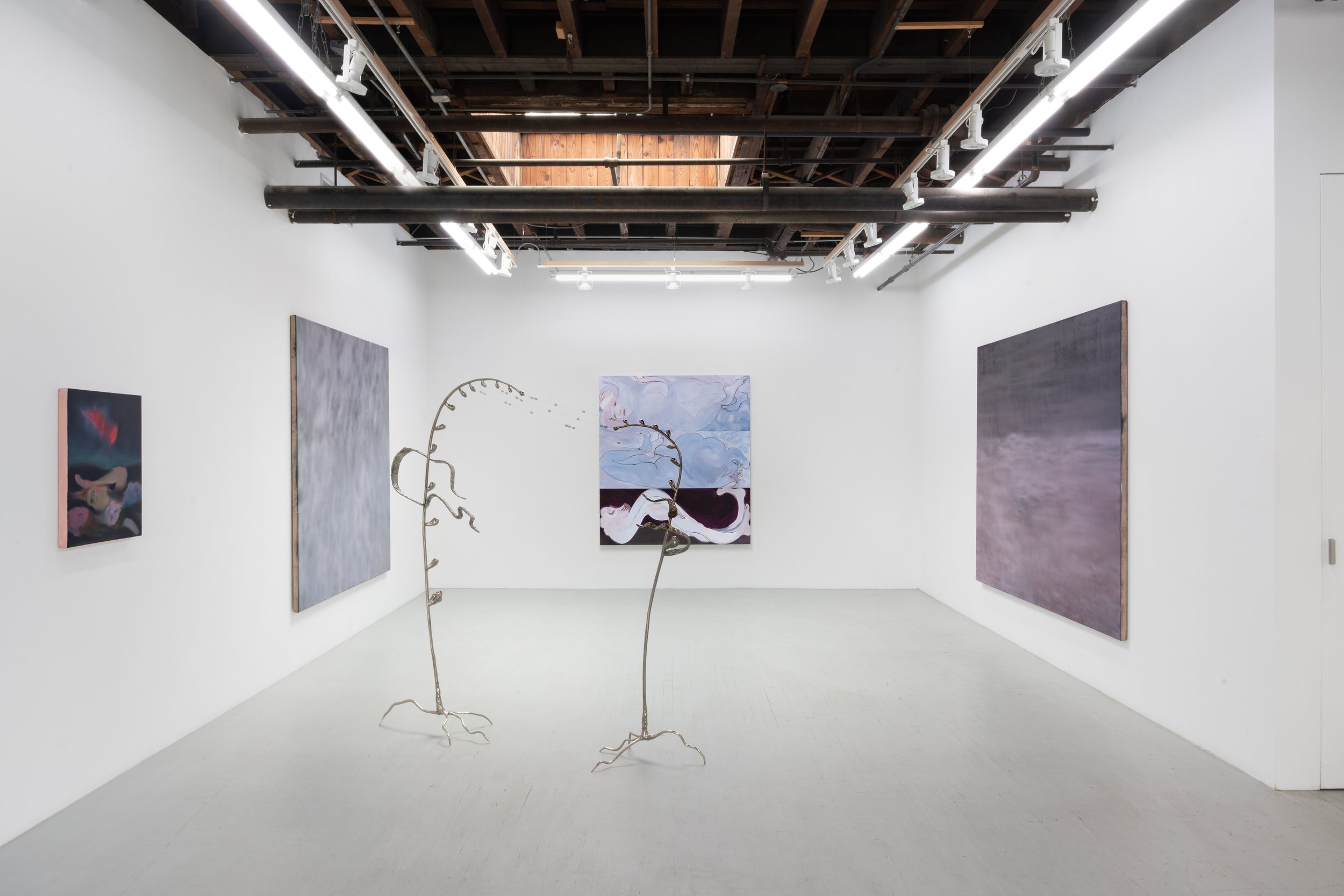
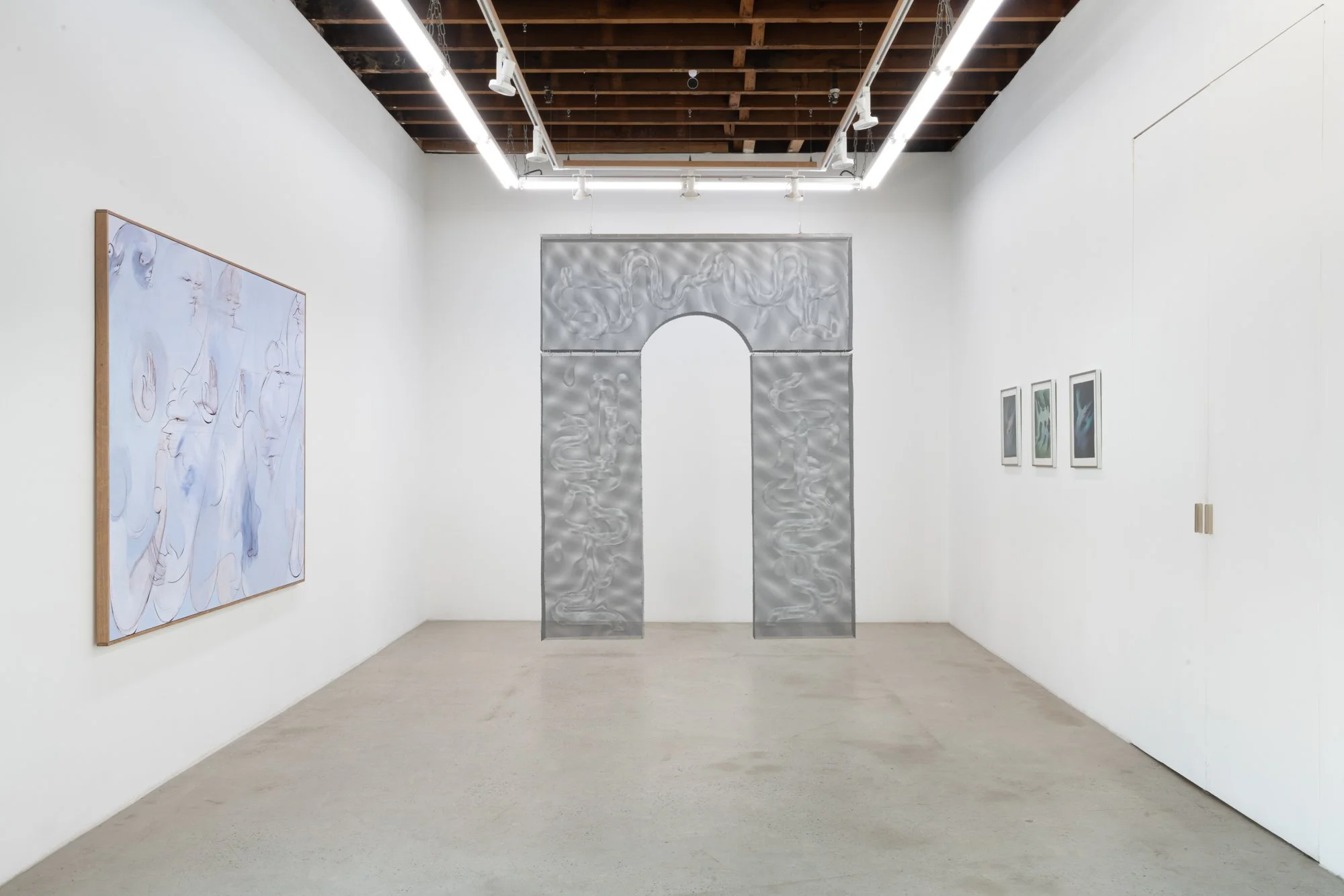
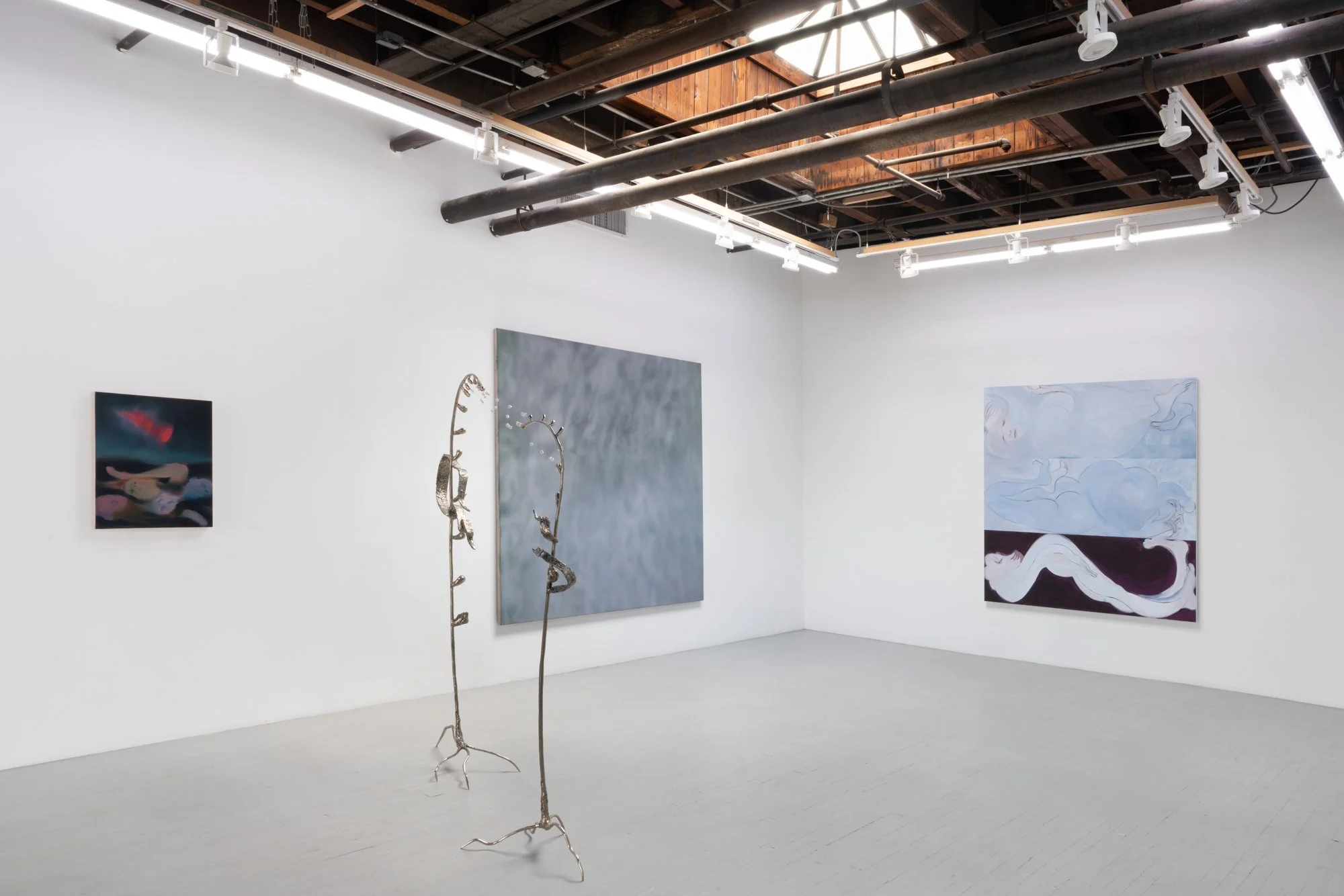
CARVALHO announces the opening of Sorores Liquidae, bringing together the practices of six female artists who approach the female form not as fixed image, but as a site of continual transformation. Across the exhibition, the body emerges as mutable, diffuse, and resistant to containment—a figure that persists through shifts in material and spatial condition. Rather than stabilizing representation, these works approach the feminine as atmospheric, generative, and perpetually in formation. Resisting historical tendencies to render the female body as legible or bounded, these artists foreground states of permeability, where edges soften, delineations dissolve, and identity is continually reconstituted. Here, the body inhabits multiple registers at once—corporeal and architectural, symbolic and material, intimate and spatial—becoming an intermediary that unsettles fixed states. Sorores Liquidae opens the evening of June 25, and remains on view through August 8 in CARVALHO’s 112 Waterbury St. space.
Greco-Roman mythology abounds with metamorphoses, divine interventions fueled by sensuality and violence that see women becoming animals, inanimate objects, waterways, and trees. There is brutality and terror in this treatment of women’s bodies, but, paradoxically, for those willing to see beyond the coercion involved in these irreverent couplings, there are also intimations of freedom. The gendered body might be shed, transcended, and granted access to different skills, powers, and pleasures. The artists in this exhibition draw out the liberatory potential of classical myth: the female body is not a pliant substance that must surrender itself to more powerful forces, but is a frame within which a multi-layered, dynamic subjectivity flourishes. The boundaries between self and other are recomposed, and what emerges is an experimental, self-questioning form of femininity that defies containment and categorization. Challenging its oppressive associations with social and sexual discipline, femininity is, across these works, reconfigured as a horizon of possibility.
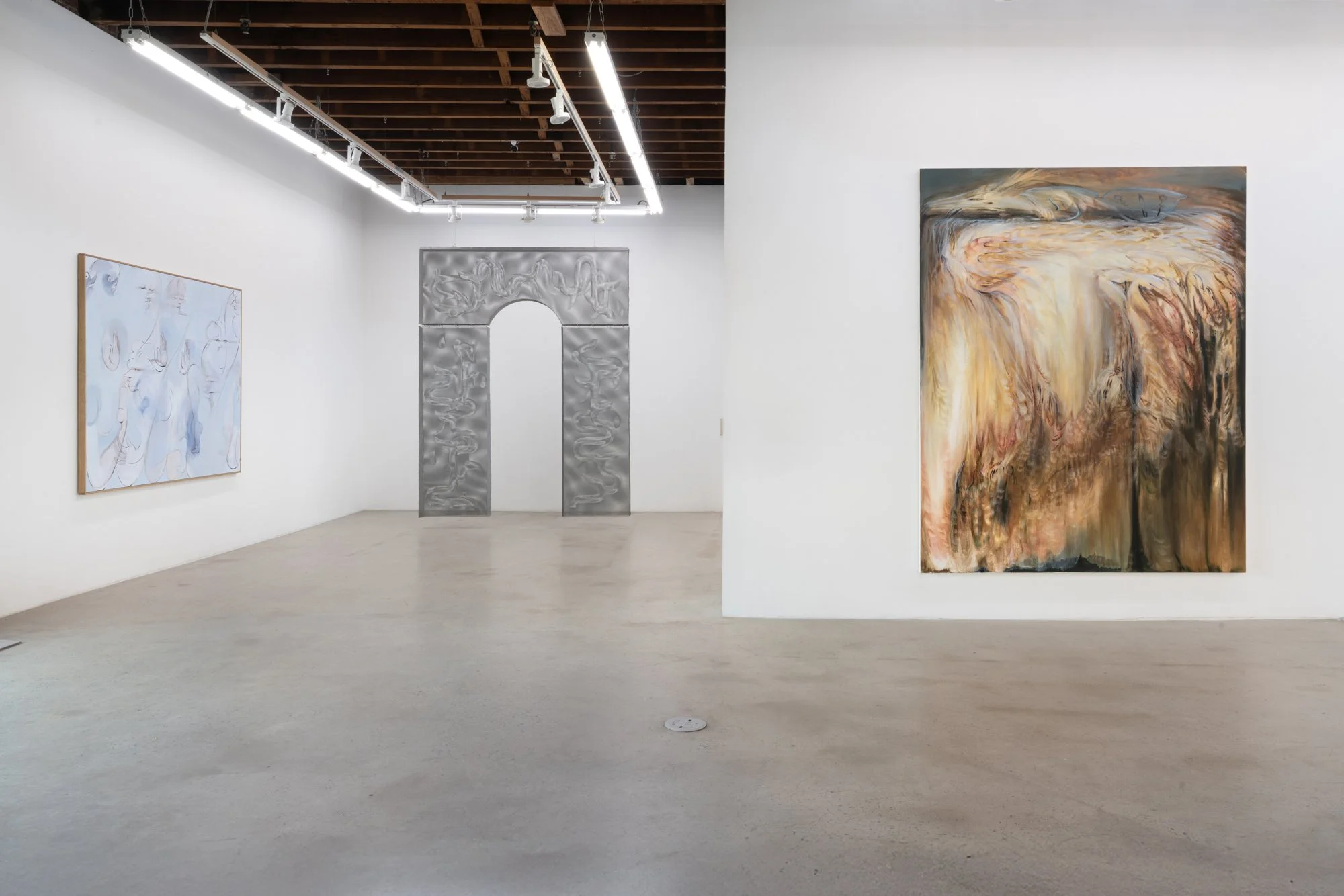
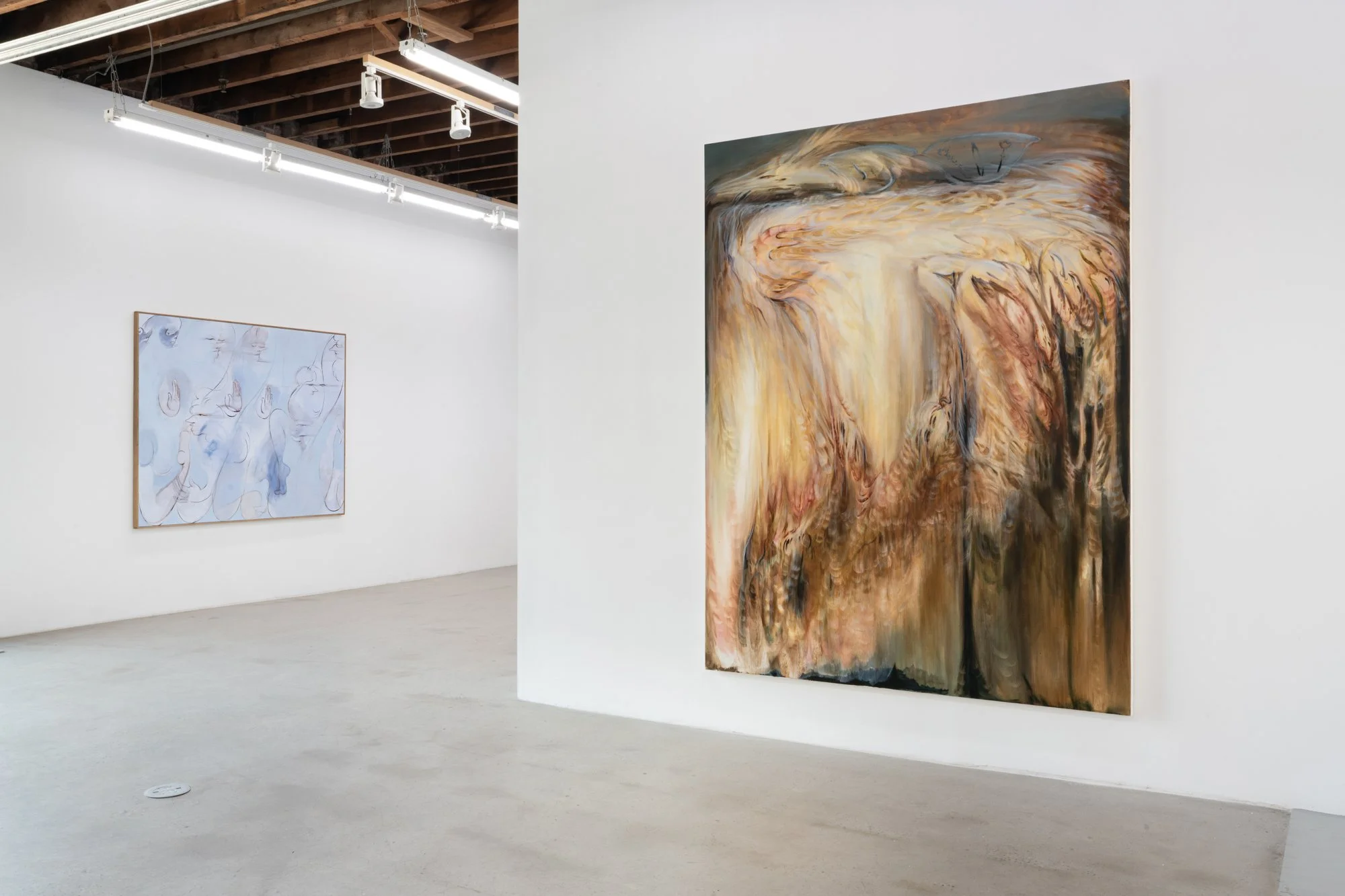
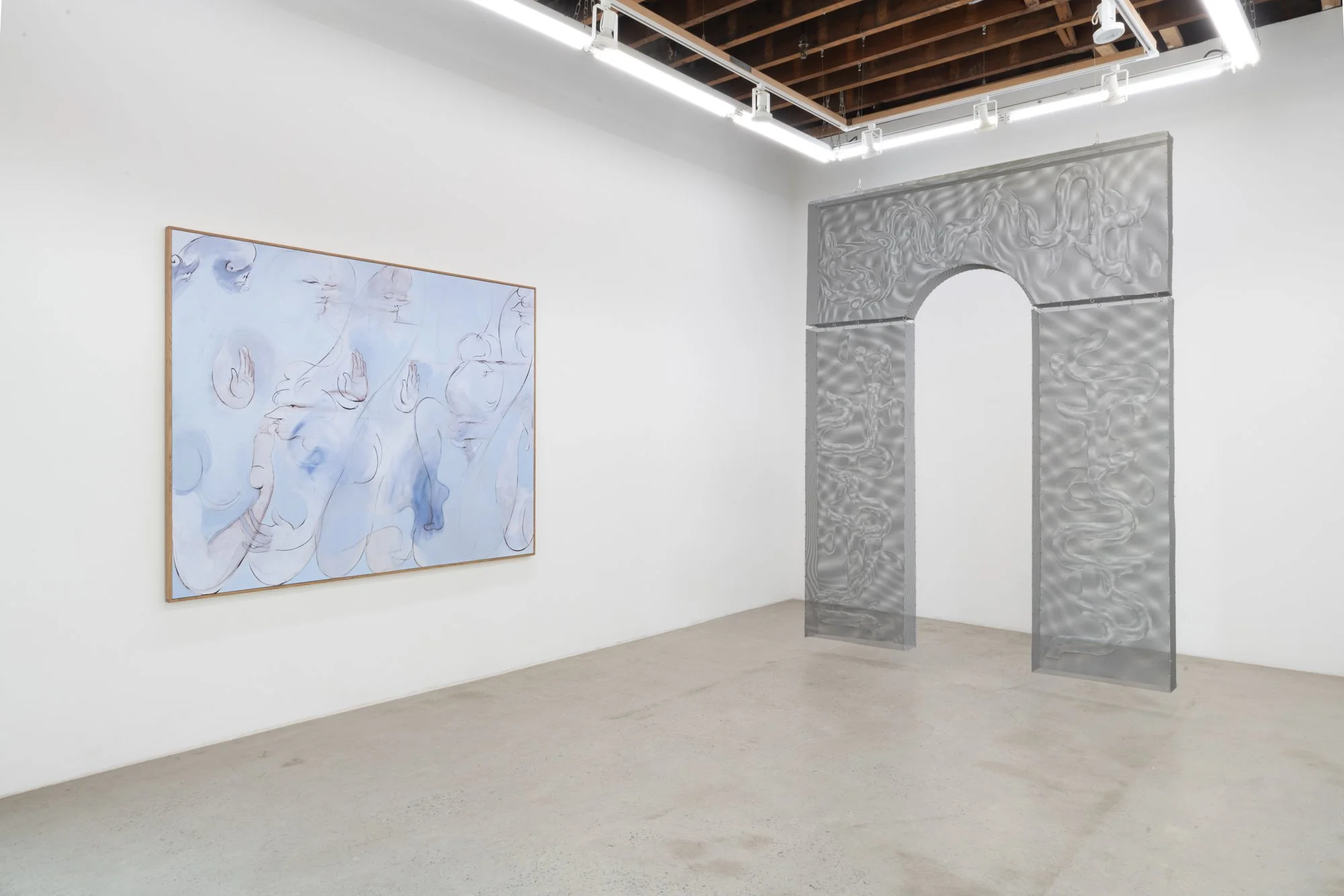
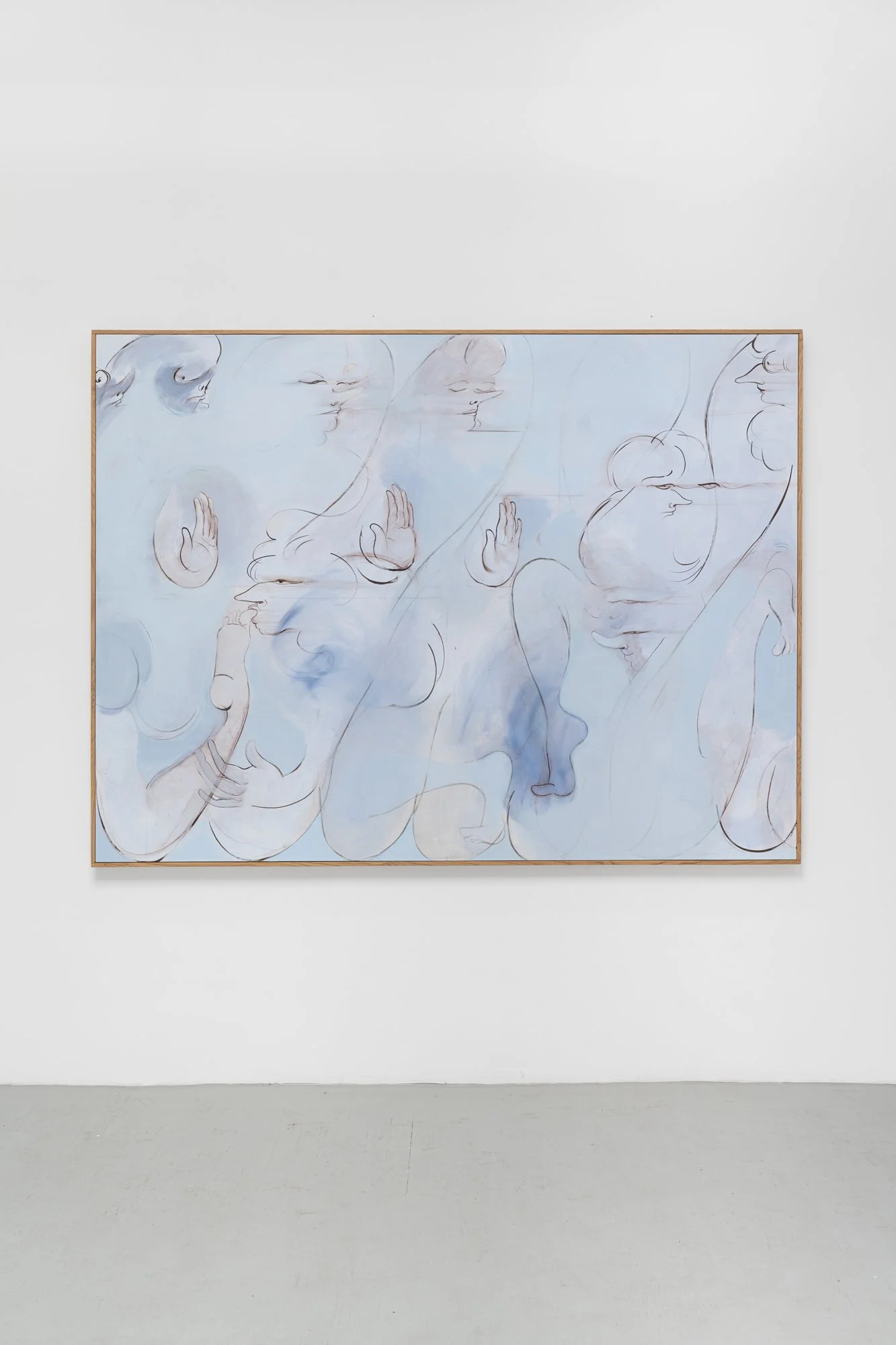
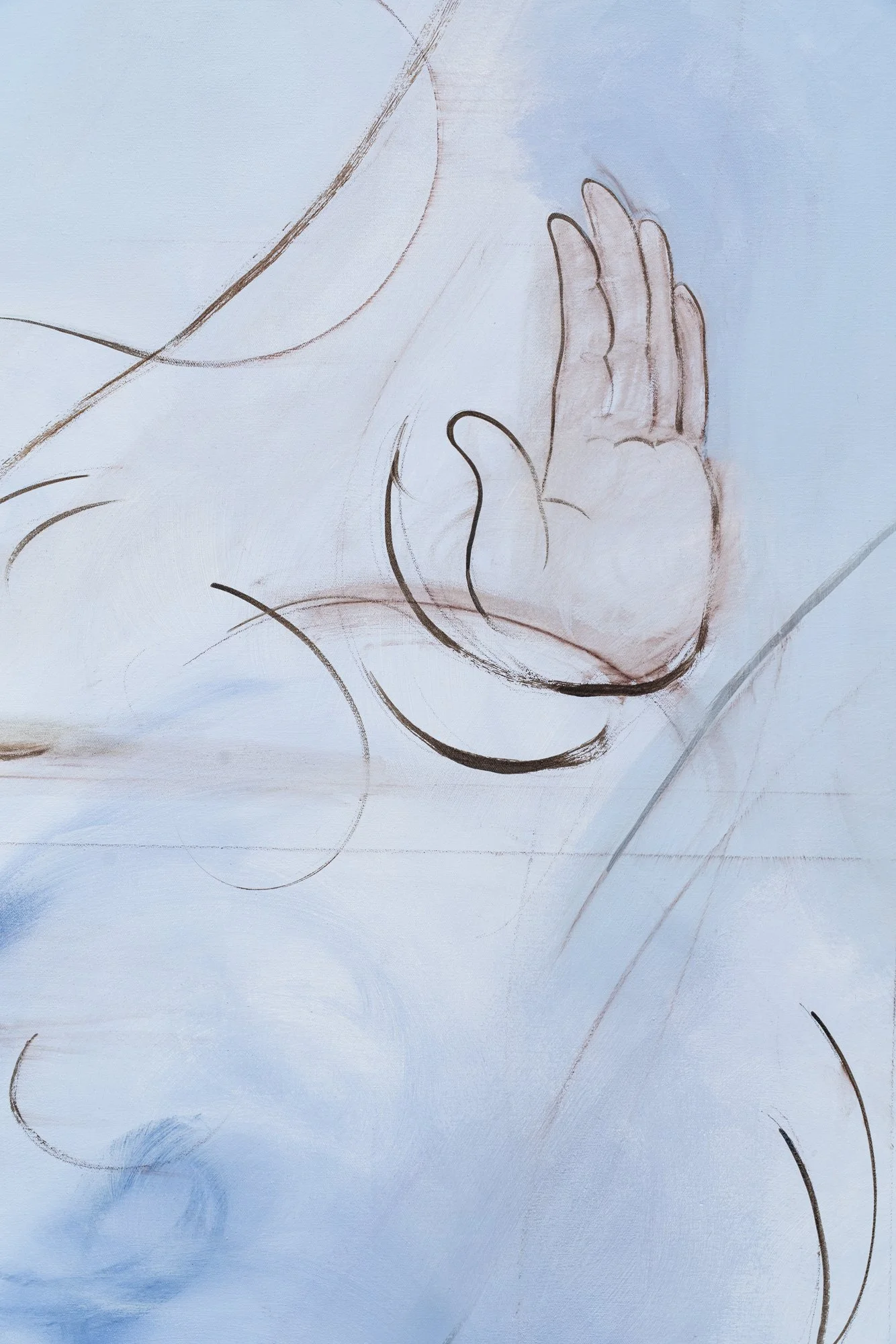
In Bailly-Borg’s Spume, fragmentary silhouettes of limbs and heads appear like bits of seaweed churned through the foam of the title, as though summoned through pareidolia, faces and bodies surfacing momentarily from shifting fields of light and shadow. Femininity is subtly invoked through color and atmosphere, not through the body, which is continually making and unmaking itself, enjoying its sudden weightlessness and limitlessness. Beauty is irrelevant in a world in which appearance is so mutable. Instead, bodily presence is privileged, the satisfying curves of hands, knees and noses and, more obliquely, through experiments in gesture – open-palmed hands, a mouth sucking on a toe – the unexpected sites and fruits of intersubjectivity. In Glimpses, this preoccupation is made more explicit. Three ambiguously gendered figures are housed in adjoining tanks, clearly communing with one another (though not in ways immediately recognizable to us) and they are fluid, sinuous, bulbous, more like spirits or nymphs, free of the dreary constraints of ordinary human mortality and morality.
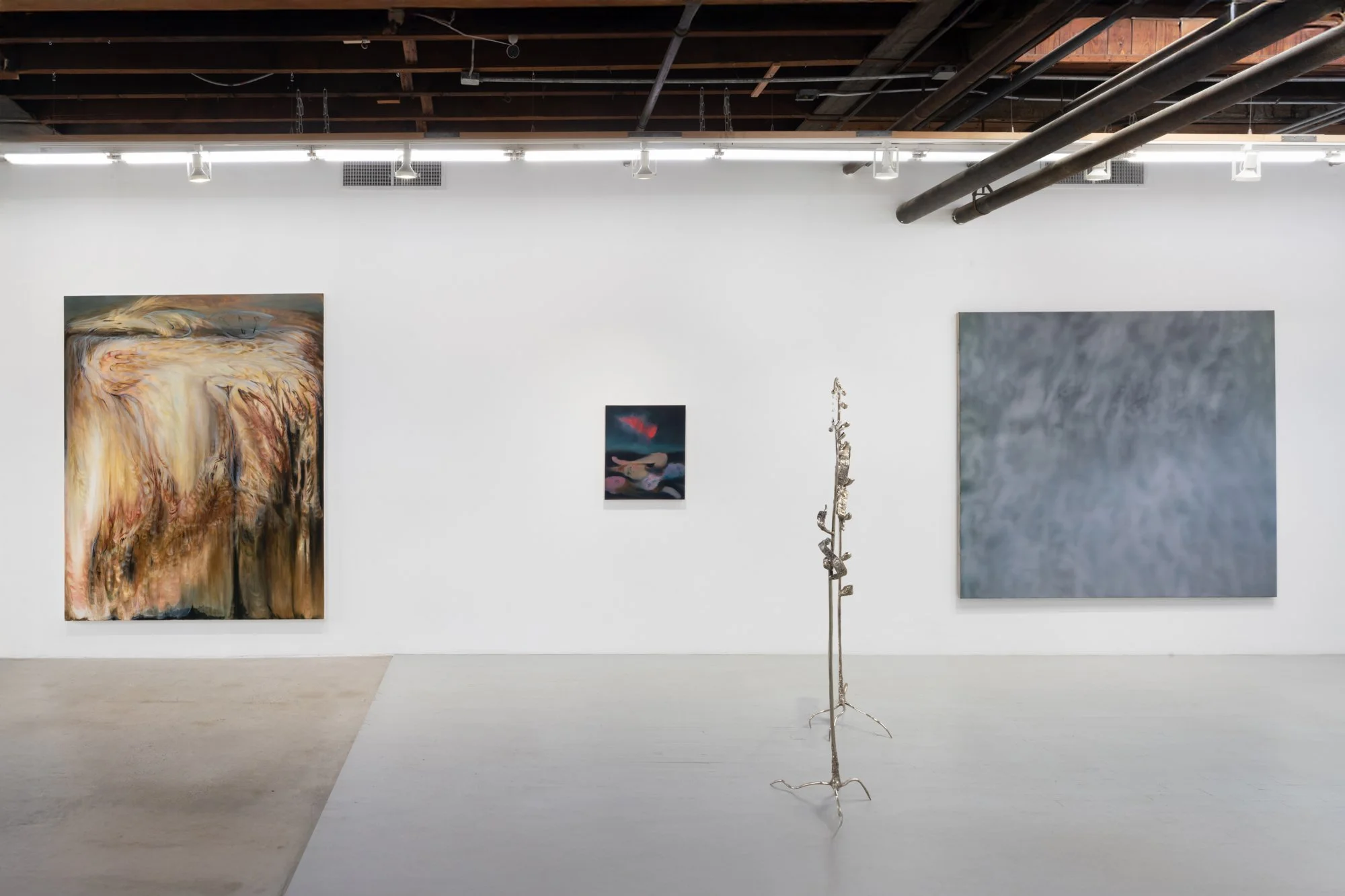
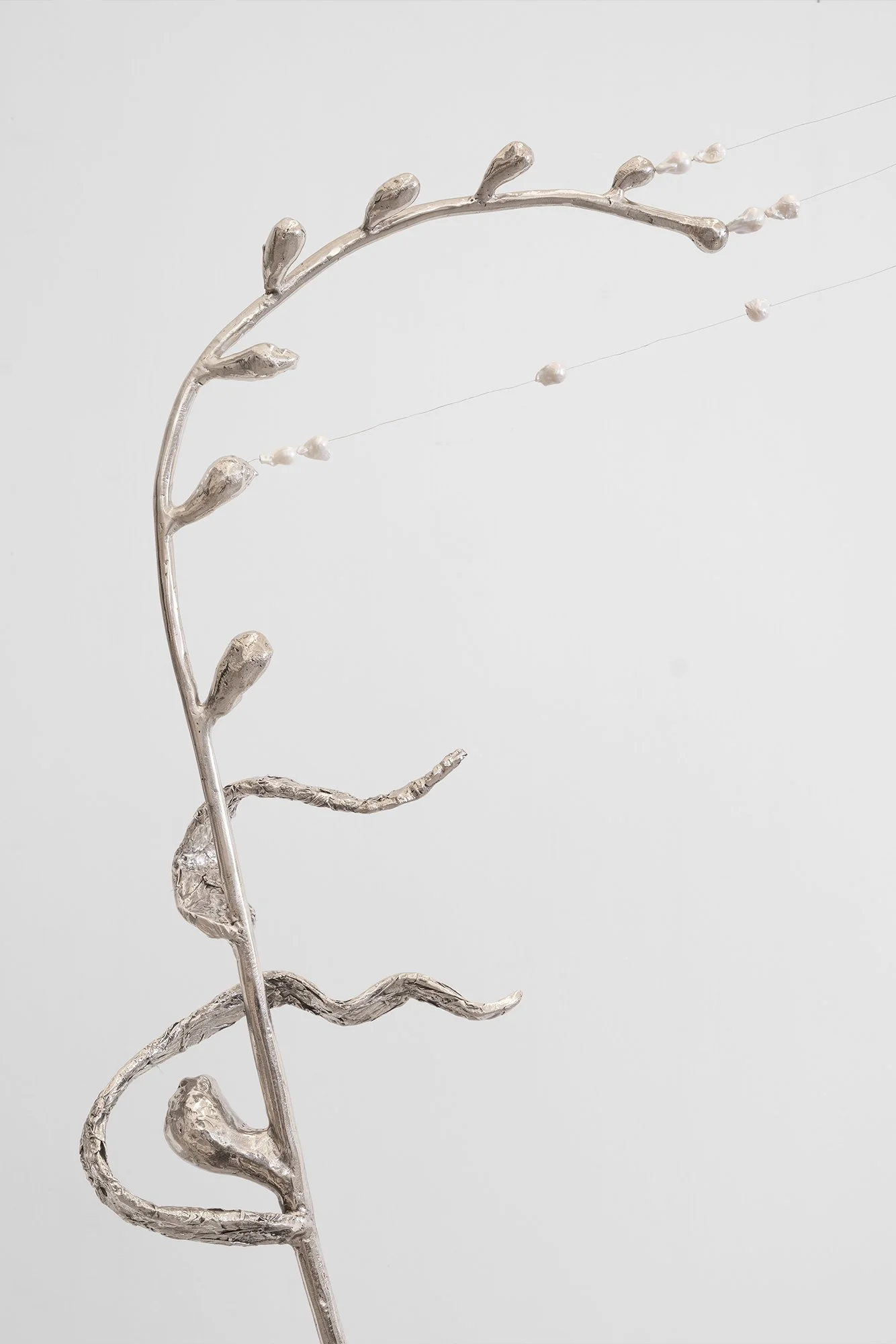
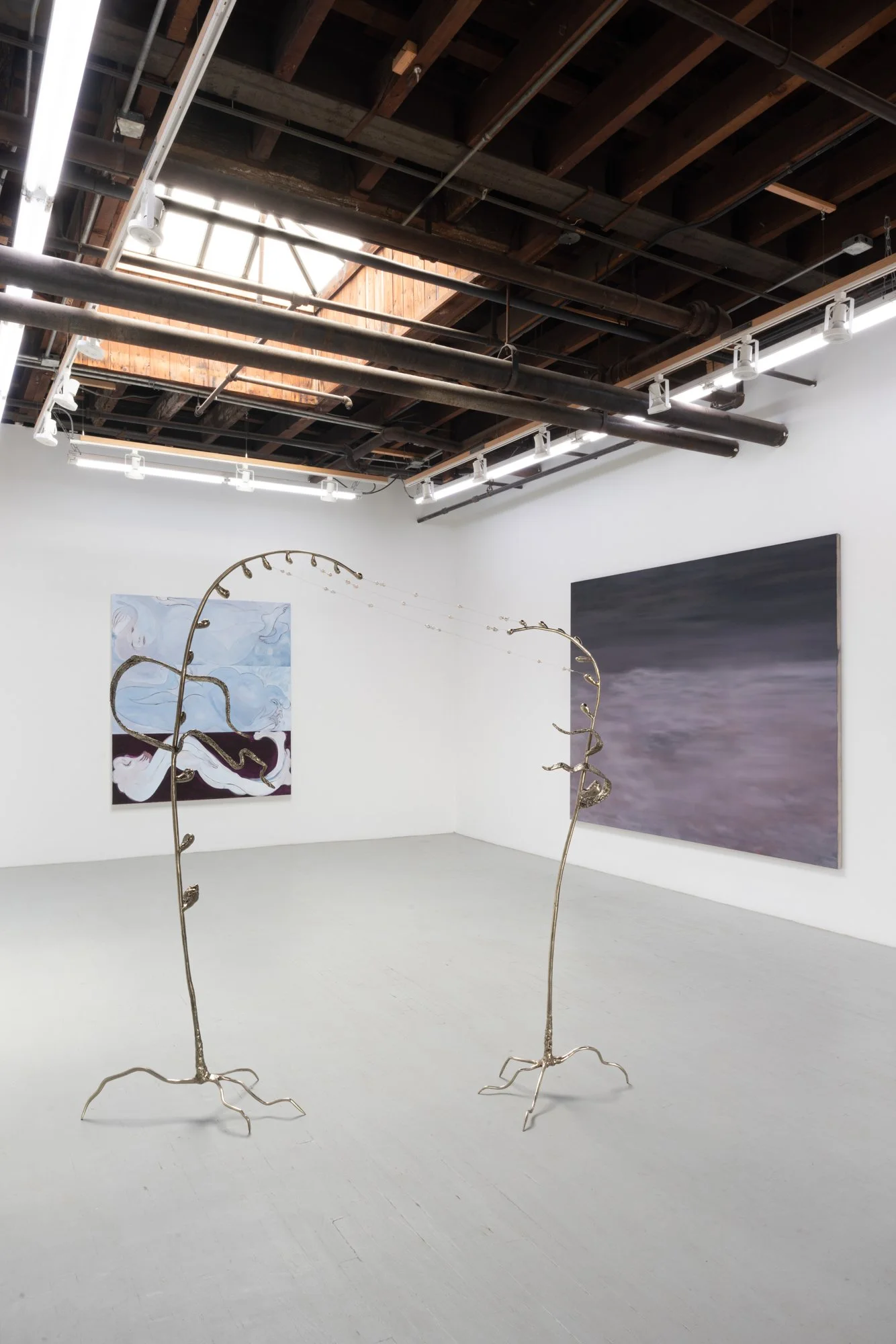
Other artists depict water as a metaphorical material that cultivates unbounded, (re)generative states of being. Across histories and cultures, water has been associated with femininity (often in ways destructive to women) and this association, and a desire to renew its terms, is a latent though powerful component of many of these works. In Tension and Attraction, Broche juxtaposes the delicacy of her subject matter, plants, with the enduring strength of medium, bronze. Figurally-scaled and suspended between botanical specimen and bodily presence, the sculptures recall sea algae, their undulating forms seemingly shaped by the weight and movement of water rather than air. Strands of pearls thread through the composition like a trail of ascending bubbles, lending radiant form to an otherwise fleeting phenomenon. Broche subtly reimagines the symbolism of water (and by implication, femininity) not as passive or yielding, but as adaptive and quietly powerful.
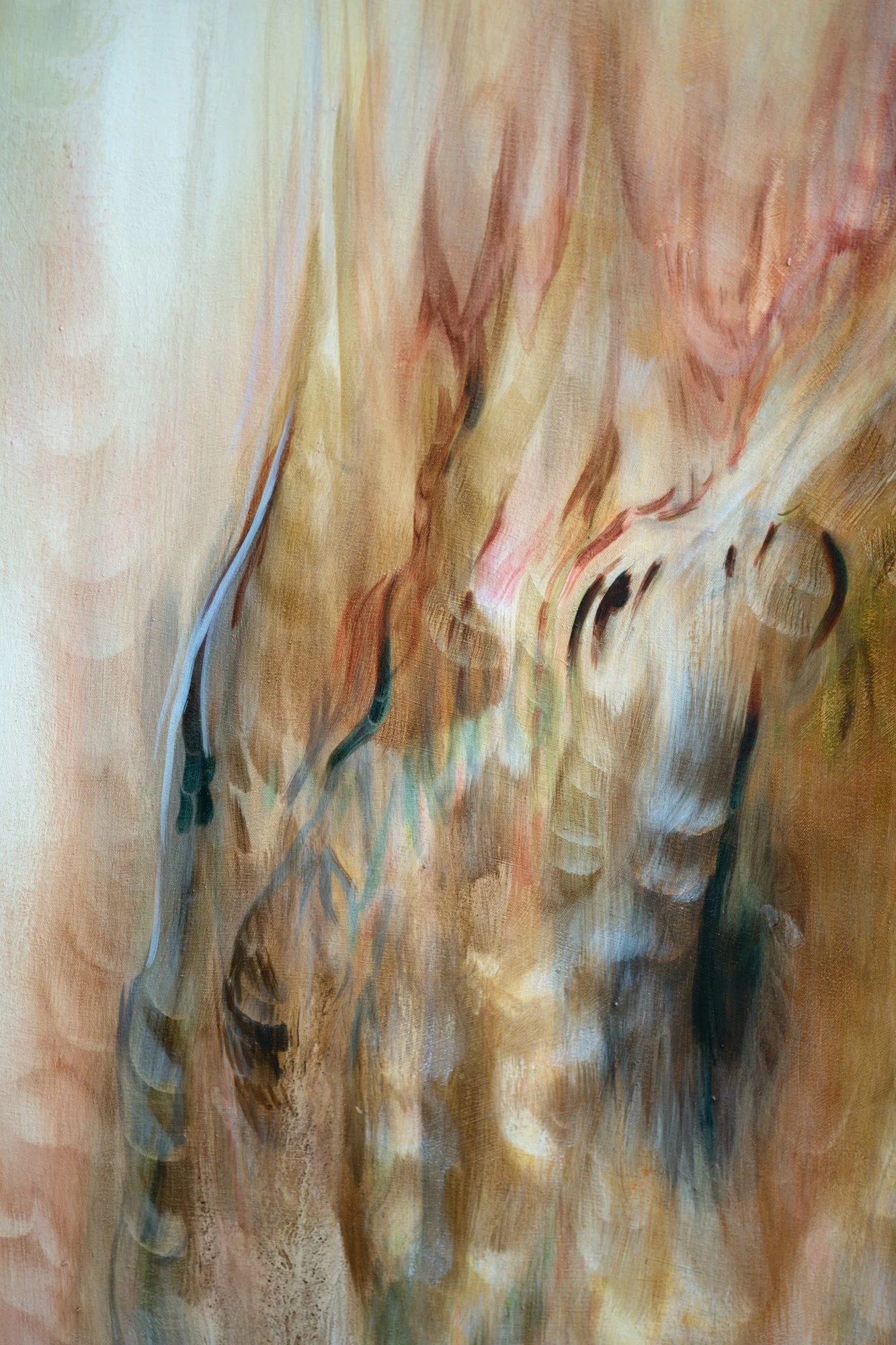
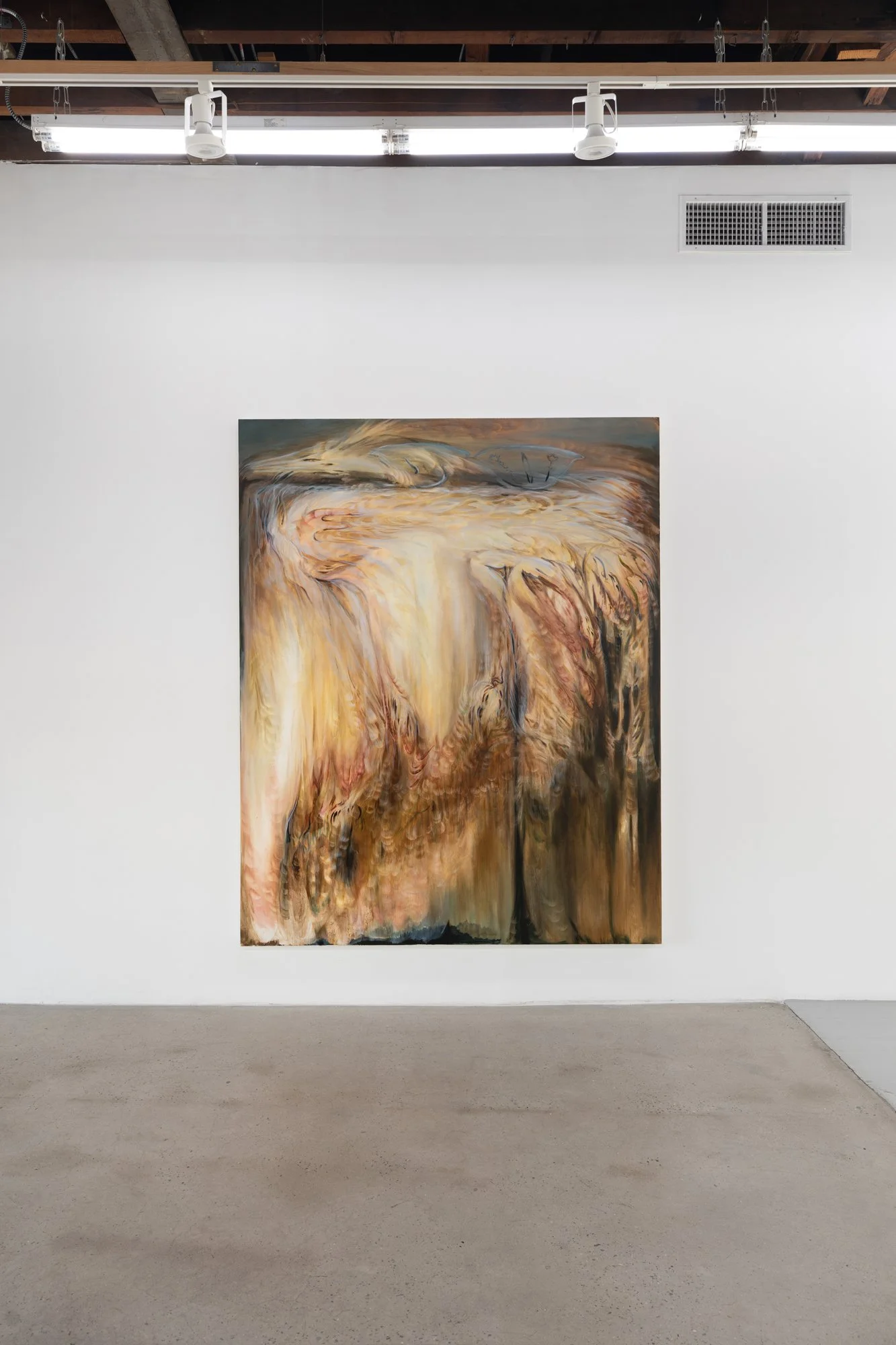
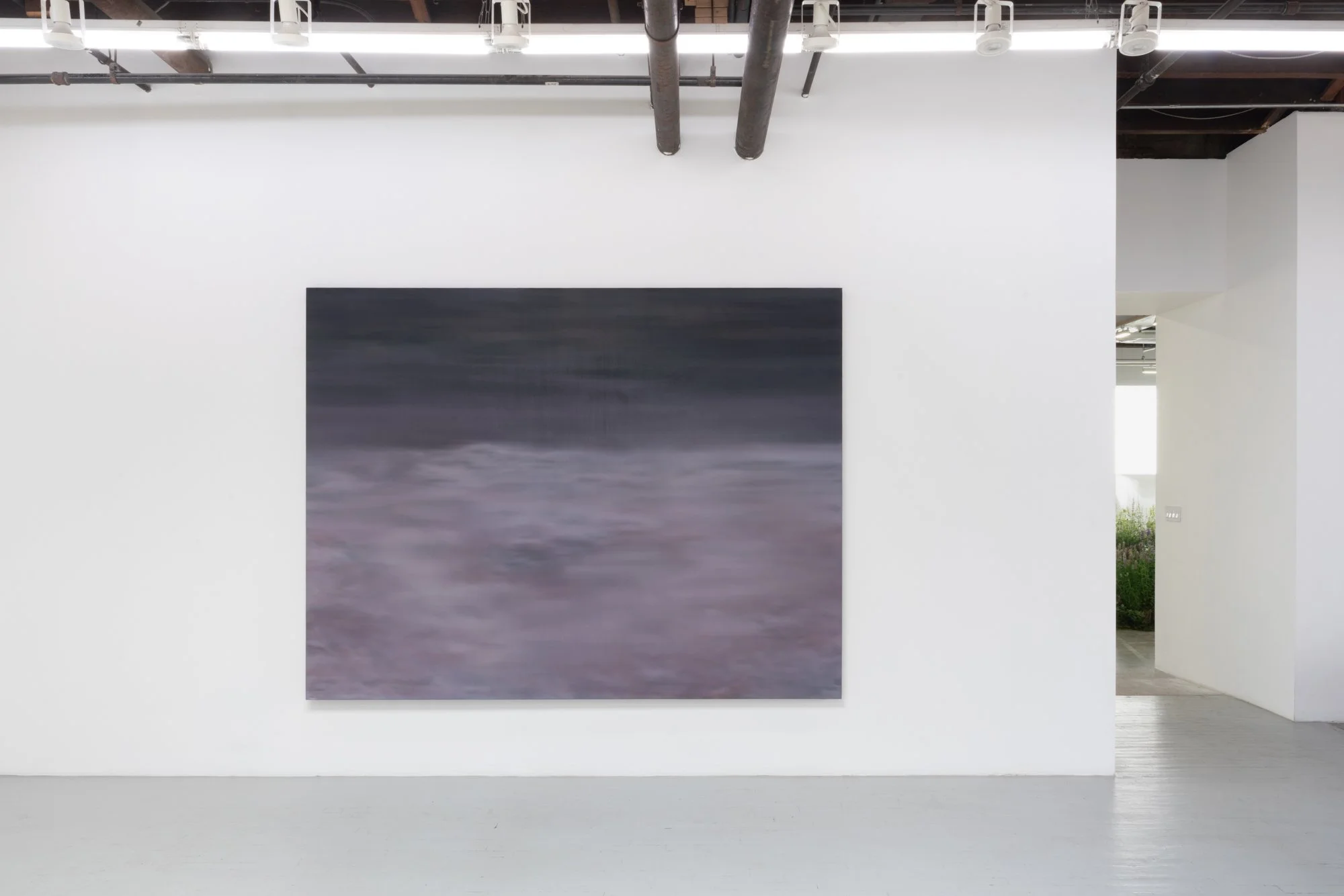
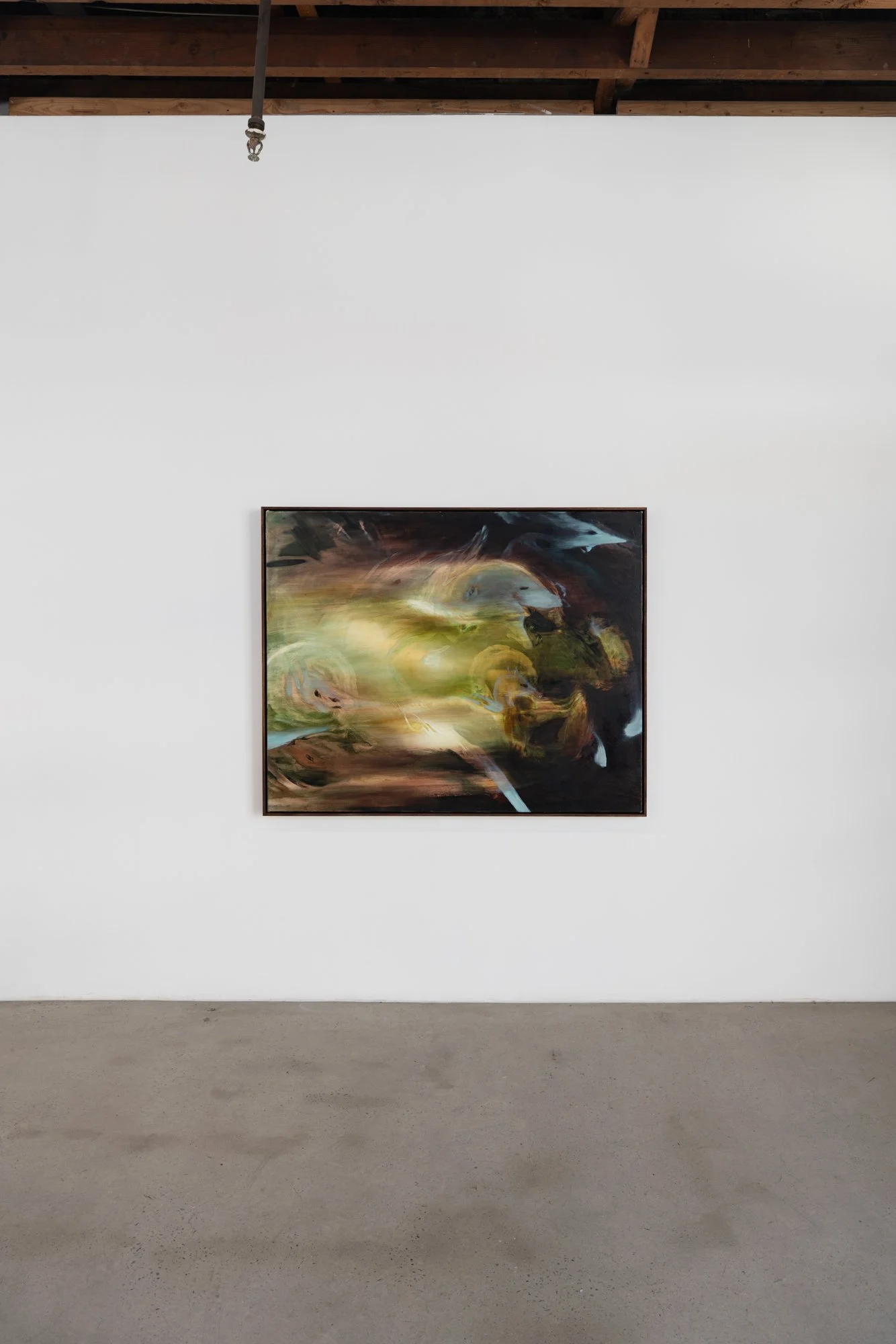
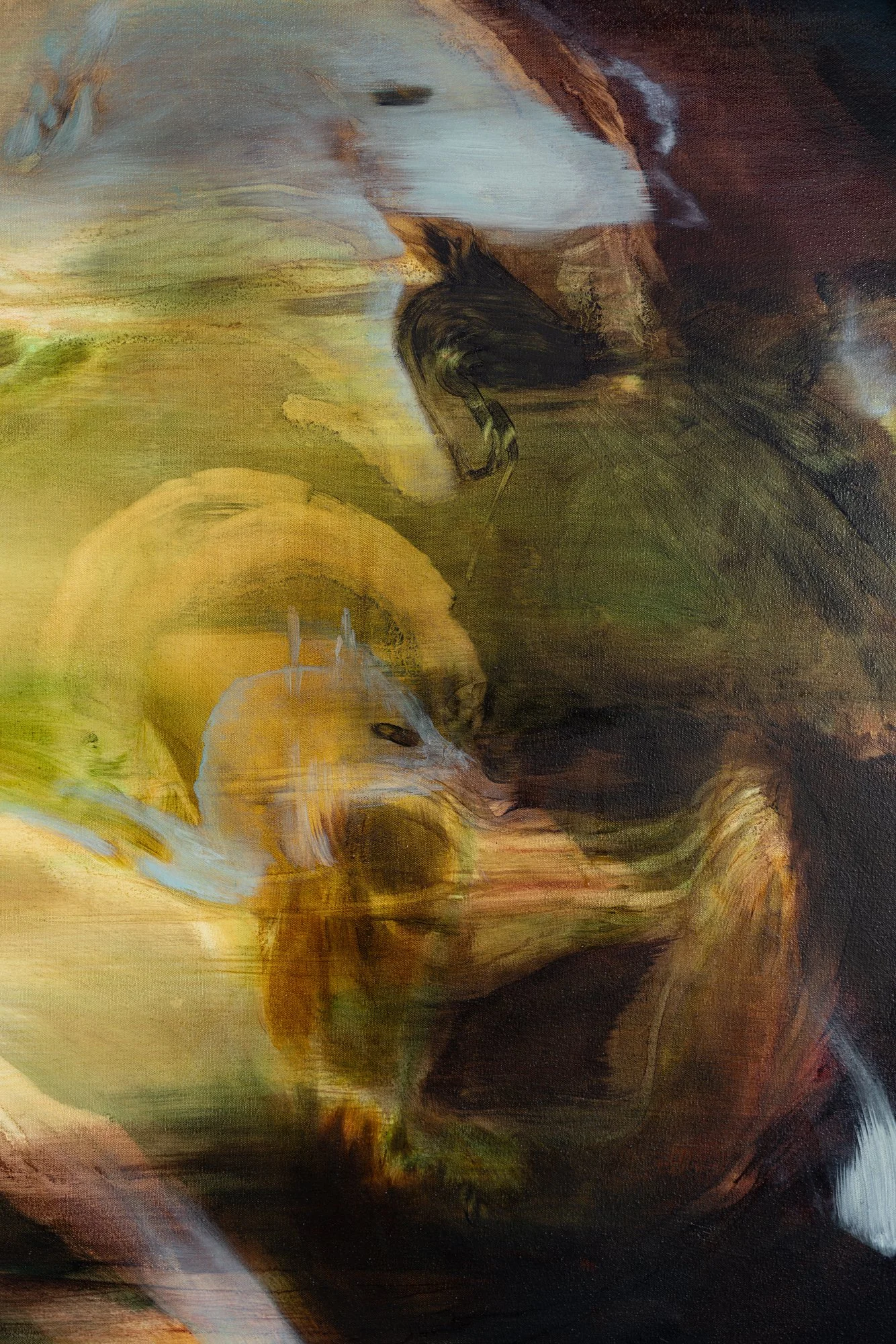
Color cascades down the canvas as though everything were submerged in water in Khoury’s Between Folds and Daydreaming. Forms recede and dissipate; they ripple and drip and are dragged by gravity. These paintings embrace spillage and dissolution, finding in loosened boundaries the unforeseen rewards of ceding control, letting the edges of ourselves and our environments soften and blur. What this might lead to is a mobility and multiplicity more freeing than the transformations imagined by mythological tradition. Steeds brings to mind the story of Diana and Actaeon, repeatedly reimagined across the history of art, in which the lascivious young hunter is turned into a stag. However, in Khoury’s rendition of the myth, the focus is on the ecstatic movement of the animal. Flowing brushstrokes convey the sensation of air rushing over the horses’ galloping haunches, blurred forms visualize speed, and flashes of brightness telegraph heat, all of which encourages us to consider how it would feel to inhabit that radically different physicality. Derviz’s Grey Water uses a cropped and flattened picture plane to trouble the distinction between figuration and abstraction, and to unsettle the spectator’s perspective, who cannot resolve where she is – and perhaps who she is – in relation to this body of water. In these works, water is about union and connection with heterogenous states and objects; it is inclusive, immersive and unassailable. If these water metaphors have a united vision of femininity, then it is as a transitional state that incubates imaginative undoings and becomings of the self.
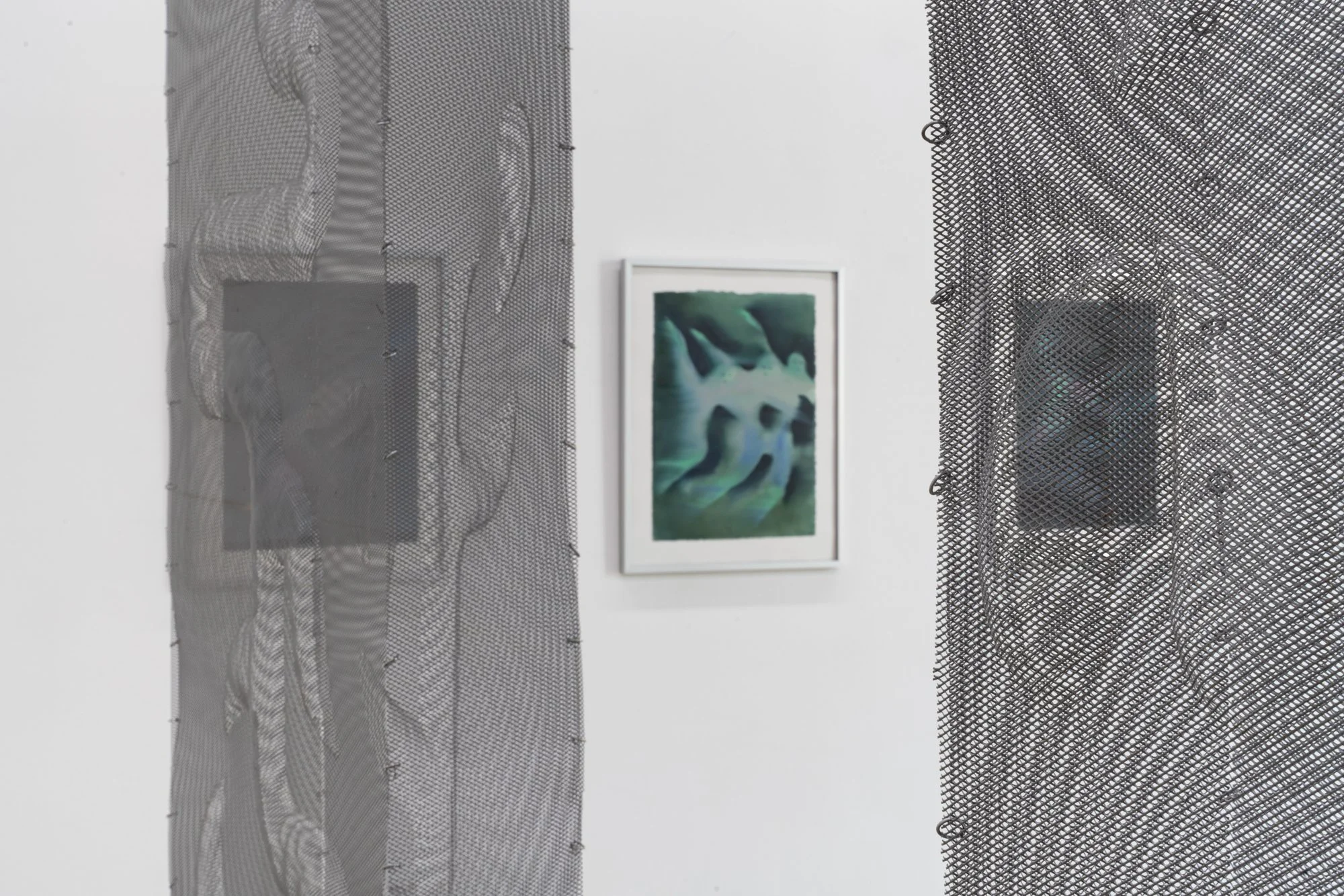
For Derviz, Sliepenbeek, and Clarke, other elements – air and earth – are grounds for similar thinking about femininity and the mutability of selves. Sliepenbeek’s Closing Flowers at Night uses layered and woven metal to erect a semi-transparent arch that appears to float, and resembles a threshold to another order of reality. Where would this gateway take us, and what would we become? With their engulfing and shifting light and shadow, Derviz’s paintings are charged meteorological atmospheres, not quite of this world, and the questions they pose are equally metaphysical. Indeed, Sliepenbeek’s mystical architecture shares its heightened spiritual energy with Derviz’s Vapour and Pluto, paintings that operate as portals into unseen registers of existence, as commonplace and essential as the air we breathe, as inconceivable as planets far off in the cosmos.
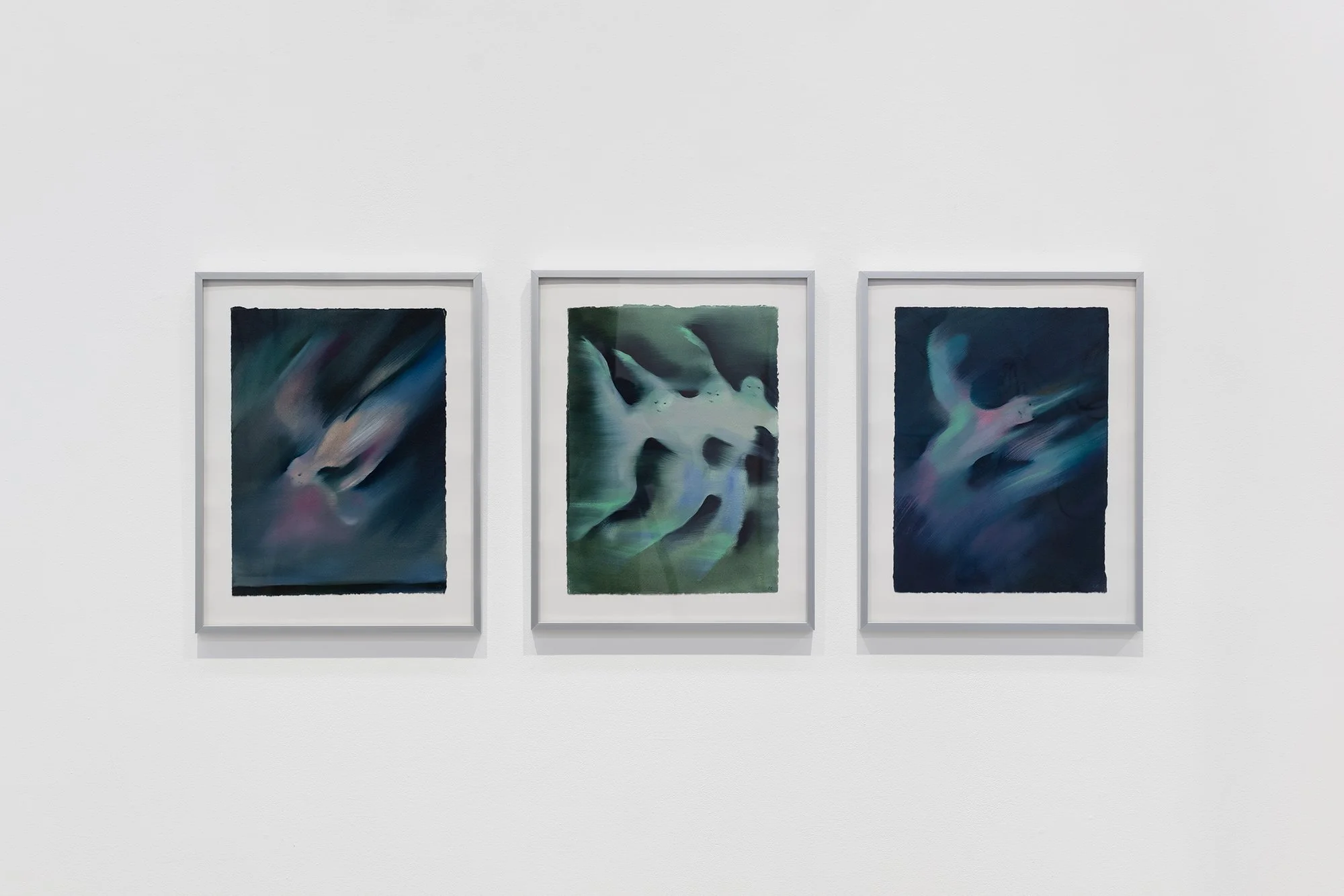
Clarke’s Valley of Dreams shows a sky lit up by lush colors that might be aurora borealis, beneath which a group of reclining women resemble an undulating mountainous landscape. This cosmic phenomenon comes about through atoms and molecules colliding with particles from the sun, a process scientists call ‘excitation,’ and which, in Clarke’s handling, becomes analogous for the central figures’ thinking and dreaming. Clarke turns the inward, obscure drama of women’s subjectivity into a spectacle with a culturally accepted beauty and importance. Her works on paper extend this analogy further, and blend human figures with an irrepressible luminosity, a reminder that human bodies share with the aurora borealis the same fundamental particles: ionized atoms of oxygen, nitrogen, and hydrogen. By revealing this affinity, Clarke give us permission to perceive ourselves as equally – thrillingly – shifting and unfixed.
The mythological corpus is energized by shocking transformations with allegorical connotations intended to punish and humiliate women for their vulnerability to male violence. The chorus of artists assembled by this exhibition have reconfigured this tradition to reparative ends. These artists emphasize the expansive, freeing qualities of metamorphosis as a feminine strategy of self-(re)discovery that opposes the historically limiting aspects of femininity. Together, their works imagine femininity as a flexible, creative way of being that exists in a perpetual state of becoming. Their wild, expansive visions insist that neither our bodies nor the selves they house are static, biological things. We are a dynamic play of processes and forces, comparable to water, weather systems, and cosmic light shows, and we are left with a sense that these electrifying, transgressive metaphors still only capture a fraction of our multitudes.
Essay by Rebecca Birrell, PhD